
Retaining top talent requires more than a competitive base salary. Modern professionals evaluate total compensation packages, placing heavy emphasis on the perks, discounts, and wellness programs their employers offer. Acquiring a new employee is vastly more expensive than retaining an existing one, making your benefits strategy a critical component of overall business health.
Many human resources departments realize they need to upgrade their offerings, but the path forward is rarely clear. Building a program from the ground up demands technical resources and vendor negotiation. Handing the entire process to a third party saves time, but it often dilutes the company's brand value. Finding the ideal middle ground is essential for organizations that want to maximize their return on investment.
This guide breaks down the three primary models for employee benefits management: building in-house, standard outsourcing, and white labeling. We will examine the operational realities of each approach, helping you determine which structural framework aligns with your retention goals and budget constraints.
Key Takeaways
- Building an internal program requires significant capital and ongoing administrative maintenance, making it viable only for massive enterprises.
- Standard outsourcing removes the administrative burden, but employees end up attributing the value of the perks to the third-party vendor rather than your company.
- White labeling allows companies to launch fully branded discount and reward programs in a matter of weeks, without hiring additional software developers.
- The right software choice directly impacts your overall retention metrics, as high utilization rates depend heavily on a frictionless user experience.

What is an employee benefits management system?
An employee benefits management system is the digital infrastructure that houses, distributes, and tracks the various perks your company offers. Instead of forcing employees to navigate a maze of disparate websites, PDFs, and discount codes, a centralized system puts everything in one accessible dashboard.
These platforms handle everything from health insurance portal links to everyday discounts on dining, travel, and retail. When an organization utilizes a cohesive digital environment, human resources teams can accurately measure engagement. They can see exactly which perks are popular, which are ignored, and where the company should allocate its future budget. This insight is especially valuable when evaluating the employee benefits that deliver the highest ROI and deserve greater investment.
Without a dedicated system, benefits administration becomes a chaotic process managed through spreadsheets and endless email threads. A structured digital approach reduces friction for the employee and significantly lowers the administrative burden for the employer.
How do in-house employee benefit services work?
Opting for in-house employee benefit services means your company assumes total responsibility for the entire program. Your internal teams must build the software, secure the data, negotiate directly with every merchant or perk provider, and handle all employee customer service inquiries.
 The primary advantage of the in-house model is absolute control. You dictate every pixel of the user interface. If your workforce heavily prefers local coffee shop discounts over national travel deals, your procurement team can spend their time calling local cafes to negotiate custom rates. You own the data, the vendor relationships, and the technology stack.
However, the disadvantages are severe for all but the largest corporations. Building a secure digital portal requires expensive software engineering talent. Negotiating discounts takes an army of procurement specialists. Furthermore, maintaining those merchant relationships is a never-ending task. Deals expire, businesses close, and links break. According to ADP, over 70% of HR teams report that the majority of their time goes to administrative duties, leaving little room for the strategic work of actually promoting and maintaining a benefits program.¹
Why choose outsourced employee benefit management services?
To escape the crushing weight of internal administration, many companies turn to outsourced employee benefit management services. In this model, you pay a third-party vendor a subscription fee, and they grant your employees access to their pre-existing network of discounts and perks.
The vendor handles all the technology, all the merchant negotiations, and all the customer support. Your HR team simply hands the vendor an employee roster, and the program goes live. This approach is incredibly fast and requires virtually zero ongoing maintenance from your internal staff.
The fundamental flaw with standard outsourcing is brand disconnect. When your employees log in to access their perks, they see the third-party vendor's logo, colors, and messaging. If an employee saves $500 on a vacation, they subconsciously credit the vendor for the savings, not your company. You are spending company money to build loyalty for another brand.
What makes a white label employee benefits platform different?
A white label employee benefits platform bridges the gap between total internal control and hands-off outsourcing. In a white label arrangement, a specialized technology provider licenses their software and their pre-negotiated merchant network to your company, but the entire experience is wrapped in your brand identity.
When an employee logs into the portal, they see your company's logo, your corporate colors, and your specific messaging. The URL matches your corporate domain. The mobile application carries your organization's name in the app store. Behind the scenes, the white label partner maintains the servers, updates the discount inventory, and handles customer service.
This approach delivers the speed and massive merchant networks of an outsourced model, while preserving the brand attribution of an in-house build. Companies can launch a fully branded program in weeks, not months. Access Perks runs on exactly this model for employers today: a white-labeled discount platform with 700,000+ merchant locations and an average discount of 34%, compared to 8% or less on typical public coupon sites, and makes the case for why employee discount programs work. The perceived value to the employee is massive, and all of that goodwill flows directly back to the employer, not a third-party vendor.
How do you select the right employee benefits provider?
Choosing the correct structural model requires a brutally honest assessment of your internal resources and strategic goals. No single approach is universally superior. You must evaluate your specific organizational constraints before signing a contract with an employee benefits provider. For organizations building a benefits strategy from the ground up, understanding how to offer employee benefits for growing businesses can provide a useful framework before evaluating different delivery models.
Apply these decision criteria to guide your strategy:
- Choose the in-house model if your company employs thousands of software engineers, has a dedicated procurement team specifically for employee perks, and requires absolute data isolation due to extreme regulatory requirements.
- Choose the outsourced model if you have zero budget for customization, you need to launch a program by tomorrow afternoon, and you do not care if the employee attributes the benefits to a third-party vendor.

- Choose a white label provider if you want to maximize employer brand loyalty, you lack the internal engineering resources to build a secure platform, and you want your team to access a massive, pre-negotiated network of deals immediately.
For the vast majority of mid-market and enterprise businesses, the white label approach delivers the highest return on investment. It provides the polished, corporate-branded experience that modern professionals expect, without distracting your HR team from their core competencies. Before signing with any provider, it helps to know the most important questions to ask your employee discount program provider before you sign up.
Which employee benefits management approach drives retention?
Effective employee benefits management is not just about offering perks; it is about ensuring those perks are actually utilized. Low utilization rates signify a failed program, regardless of how much money the company spent building it.
According to MetLife's research, employees who actively use and understand their benefits report higher loyalty to their employer and stronger retention outcomes than those who don't.² When employees regularly use their perks to save money on groceries, dining, and vacations, the tangible value of their employment increases. This aligns with broader loyalty and discount program trends and statistics, which show that highly utilized rewards ecosystems strengthen engagement, improve satisfaction, and encourage long-term participation.
White label solutions tend to drive higher utilization because they foster trust. Employees are naturally skeptical of third-party websites asking for their data. When the platform is built into your existing corporate intranet and carries your trusted brand identity, adoption rates climb. The smoother the user experience, the more frequently employees will log in to engage with the available rewards.
Innovative employee engagement ideas for your team
Once your platform is live, you must actively market the perks to your workforce. Simply launching a portal and sending a single announcement email will not drive long-term behavior changes.
Consider implementing these employee engagement ideas to boost participation: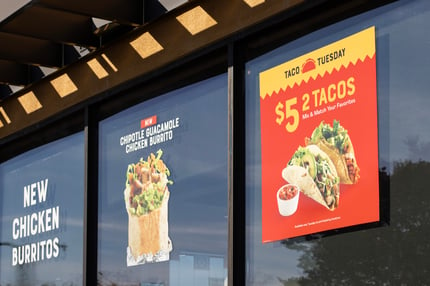
- Spotlight Local Deals: Highlight discounts at restaurants right around your office building. When employees realize they can save 15% on their daily lunch, platform adoption skyrockets.
- Promote Travel Rewards Before Holidays: Send targeted communications leading up to major holidays showcasing the platform's hotel, rental car, and theme park discounts. Travel rewards carry high perceived value and generate exciting stories employees will share in the breakroom. It's one reason many organizations are paying closer attention to how travel rewards elevate the employee experience, particularly as experience-based benefits continue gaining traction.
- Incorporate Gamification: Run internal contests where employees share how much they saved using the platform in a given month. Award a prize to the top saver, turning benefit utilization into a fun, competitive event.
- Integrate with Recognition: Tie your discount platform to your internal recognition software. When an employee goes above and beyond, reward them with bonus points they can redeem within your branded ecosystem. Members earn points, miles, or tier status by doing something repeatedly, such as participating in challenges or using the platform.

Making Your Final Decision
The days of relying solely on an annual bonus to retain staff are over. Building a comprehensive, engaging benefits program is a mandatory operational requirement.
Attempting to build an internal network of merchants and a secure digital portal from scratch is a massive drain on corporate resources. Basic outsourcing solves the operational problem but sacrifices the vital employer-employee branding connection.
By leveraging a white label approach, companies can quickly deploy enterprise-grade technology and vast discount networks under their own banner. It is the most strategic way to prove your commitment to your team, lower your turnover rates, and ensure your organization remains highly competitive in the modern talent market.

Frequently Asked Questions (FAQ)
How much does it cost to implement a white label platform?
Costs vary based on the provider, the size of your employee base, and the level of customization required. Generally, white label solutions charge a setup fee and a nominal per-user, per-month subscription rate. This is dramatically cheaper than the software engineering salaries required to build an in-house system.
How long does it take to launch a white label benefits program?
Unlike in-house builds that take quarters or years, a white label platform can typically launch in a matter of weeks. The underlying technology and merchant networks are already established; the provider simply needs to apply your corporate branding, configure single sign-on (SSO) integrations, and load your employee roster.
Can we add our own custom perks to a white label system?
Yes. Premium white label providers allow organizations to inject their own custom corporate perks into the system alongside the provider's national merchant network. If you negotiate a specific discount with the gym across the street, you can easily host that deal within your branded portal.
What are the risks of using a standard outsourced vendor?
The primary risk is low utilization driven by brand disconnect. If the platform looks foreign and operates on a third-party domain, employees are less likely to trust it or remember to use it. Furthermore, any positive sentiment generated by the savings is directed at the vendor, diluting your retention efforts.
How do we measure the ROI of our benefits platform?
Look beyond simple login metrics. Track the total monetary value of the discounts your employees redeem. Compare that total savings figure against the cost of the software. Additionally, monitor your employee retention rates and conduct internal surveys to measure how the benefits package impacts overall job satisfaction.
If you're ready to put real savings behind your retention strategy, Access Perks delivers exactly the white-labeled discount network this guide describes: 700,000+ merchant locations, an average discount of 34% versus 8% or less on public coupon sites, and 98% client retention over 35+ years in business. Discover how Access Perks can support your goals and provide personalized solutions for your organization.